Tech Coordinator - ASP
Designing beyond Games
Sometimes opportunity comes along
When I moved to South Korea in 2019, I expected to spend my time teaching English and occasionally other subjects like mathematics. What I didn't expect was how often I would find myself helping schools rethink the way they used technology.
Several of the schools I worked with wanted to modernize their digital infrastructure and expand the role technology played in both teaching and day-to-day operations. One school, however, decided to fully commit to that vision.
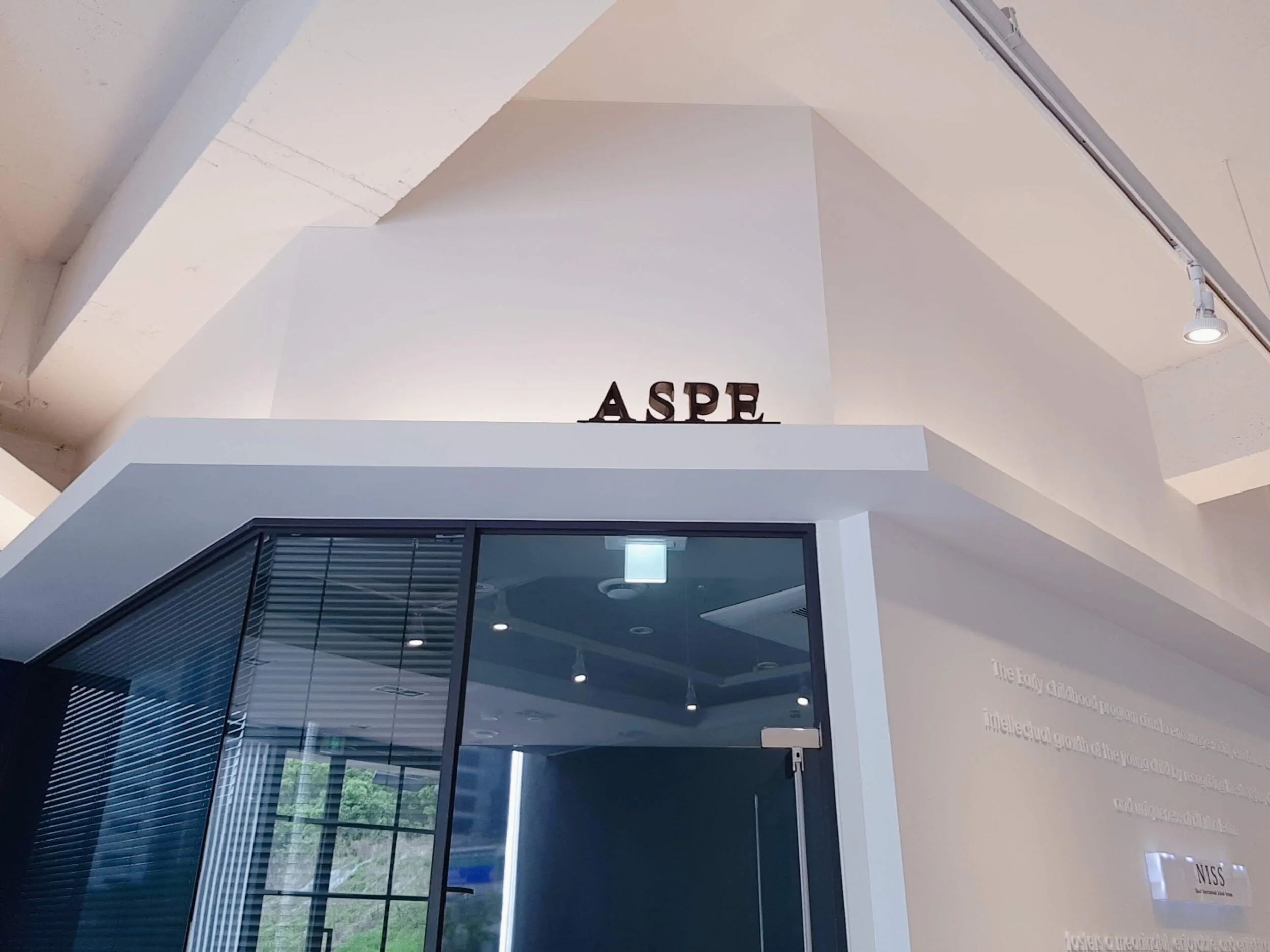
I took on the role of Technology Coordinator for American STEM Prep in Gwanggyo, Gyeonggi-do, where my responsibilities quickly grew beyond simply maintaining technology. Instead, I found myself designing systems that made the school easier to operate.
One of the largest projects was redesigning the school's digital presence. Their website received a complete overhaul to better reflect the identity of a modern STEM-focused school while making information easier for both parents and prospective families to find.
Inside the school, I focused on improving the technology ecosystem itself. We reorganized networking equipment, centralized technology storage, and created a checkout process that allowed teachers to quickly find the equipment they needed without spending valuable class time hunting through cabinets or wondering who had borrowed what.
None of these projects were particularly flashy, but they all shared the same goal: reduce friction so teachers could spend more time teaching.
Looking back, I realize that's a mindset I've carried for a lot of my professional career.
Building Systems That Scale
Beyond the immediate improvements, we had begun planning a larger digital transformation of the school's internal operations.
The long-term roadmap included digital inventory management, supply ordering, scheduling systems, document retention for contracts and payroll, and a centralized repository for years of accumulated classroom materials. The goal was to move institutional knowledge out of filing cabinets and individual computers into systems that could be maintained and built upon as the school continued to grow.
Unfortunately, I was transferred to the school's elementary and middle school campus before those projects reached completion, but helping establish that foundation gave me valuable experience thinking about operational systems on a larger scale.
Back in the Classroom
My move to the elementary and middle school campus gave me a completely different set of opportunities.
I helped digitize the school's library checkout process, replacing the traditional paper checkout cards with a digital system that was easier for both students and staff to use and maintain.
I also assisted with developing and testing new Engineering and 3D Printing classes as the school expanded its STEM curriculum. One of my favorite experiences during this time was introducing middle school students to programming through Unity and C#. Watching students realize they could write code that immediately changed the world on their screen never really got old.
Whether I was teaching mathematics, introducing programming, organizing technology infrastructure, or improving school workflows, I found myself doing the same thing over and over again: looking at complicated systems, understanding how people interacted with them, and finding ways to make those systems work better.
That has become one of the defining themes of my career, regardless of whether I'm working in education or game development.